
Updated 2026-11-18 · Research-based guide · Includes a practical decision worksheet
Travel electronics planning has several separate questions: whether the plug fits, whether the power supply is compatible, whether the charger supports the device, and whether the battery can travel as packed. Answer them for each device rather than assuming a product labeled universal solves every problem.
Read the device and charger information
List the devices you need, their charger model, connector, power requirements, and manufacturer instructions. Check the input-voltage and frequency information rather than inferring compatibility from a familiar connector. If a label is missing or unclear, ask the manufacturer. Do not experiment with uncertain electrical compatibility at the destination.
Separate an adapter from voltage conversion
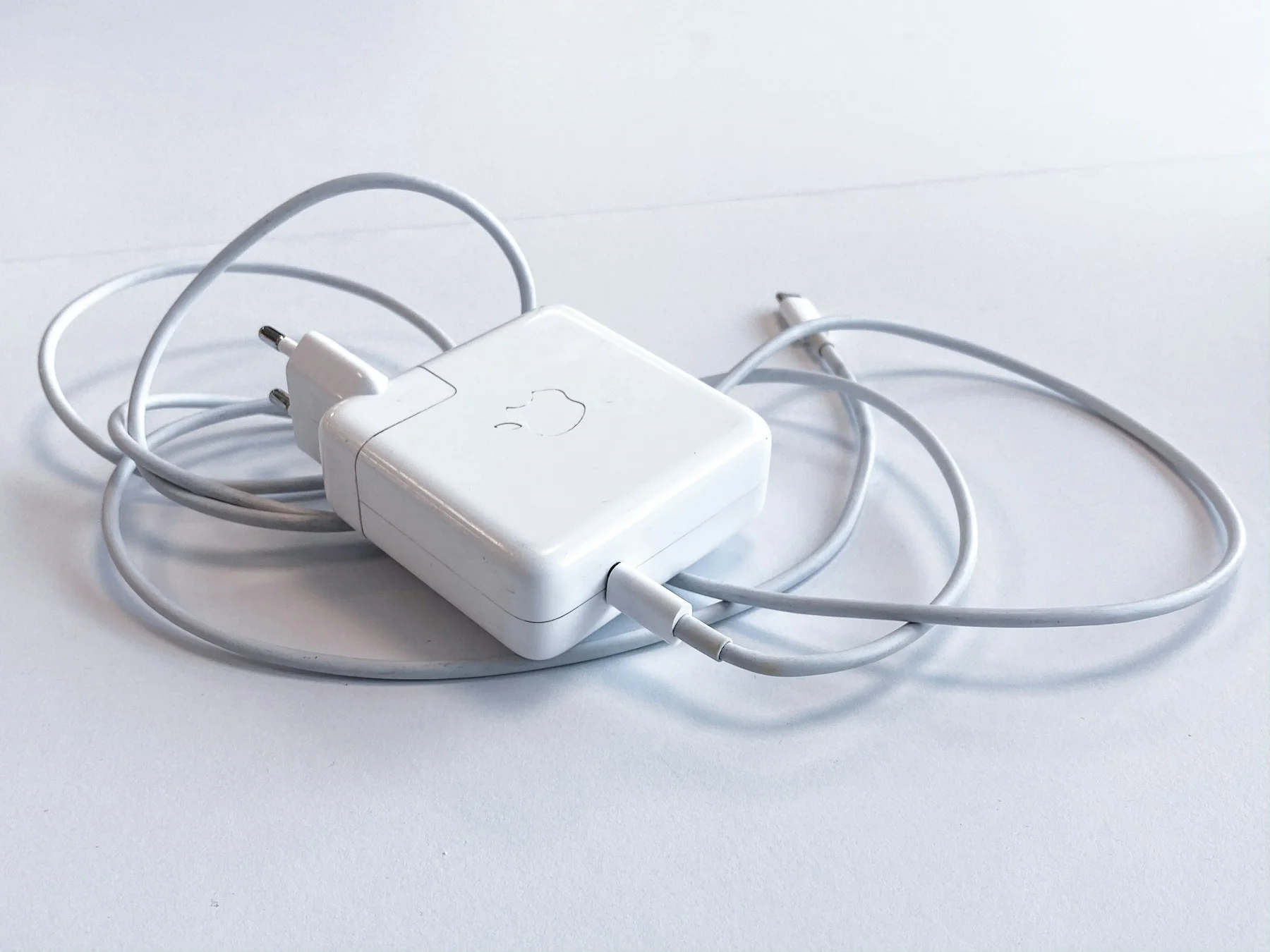
A plug adapter changes the physical connection; it does not necessarily convert voltage or frequency. Apple’s travel-adapter guidance explicitly makes that distinction for its kit and specifies compatible Apple power adapters. That documentation is an example, not permission to use the kit with other equipment. Follow the instructions for your actual device and adapter, including grounding and power limits.
Check destination and lodging arrangements
Verify the relevant outlet and electrical information with authoritative destination resources and the lodging provider where necessary. Some rooms may have limited conveniently placed outlets. Avoid relying on a chain of improvised accessories. If specialized equipment is essential, confirm arrangements directly and seek appropriate technical advice for anything you cannot verify from the manufacturer’s documentation.
Pack batteries under current rules
The FAA requires spare lithium batteries, including power banks, in carry-on baggage with protection against short circuit. Airlines may have stricter conditions. Check the battery’s marked rating and the carrier’s current rules before travel. If a carry-on is checked at the gate, remove spare batteries and power banks as required. Do not pack damaged or recalled batteries contrary to the applicable restrictions.
Test a small charging kit
At home, confirm that each cable and approved charger works with the intended device. Label similar-looking cables if their supported functions differ. Pack only the necessary combination and keep it accessible. This is a compatibility check, not a guarantee of performance at every destination or with every outlet. Preserve access to booking information if a device cannot be charged.
Prepare an offline fallback
Save essential addresses, booking references, and authorized maps in an appropriate secure form. Test them without a connection before leaving. Share sensitive copies only with people who need them. Continue with travel app planning and the international checklist so the electronics plan supports the rest of the journey.
Questions readers ask
Does a USB-shaped connector guarantee the right charger?
No. Check the device and charger specifications and the manufacturer’s instructions for the exact combination.
Does a universal adapter work with every appliance?
Do not assume that. Verify electrical ratings, compatibility, grounding, and the adapter’s stated limits for your actual equipment.
Put this guide into practice
List each device’s plug, input-voltage label, charging connector and expected daily use. Distinguish a plug adapter from voltage conversion. Verify battery transport restrictions with the carrier and official transport guidance for the actual equipment.
| Check | Evidence to record |
|---|---|
| Voltage label | Observation, source or test result; responsible person; follow-up date. |
| Connector | Observation, source or test result; responsible person; follow-up date. |
| Battery restriction | Observation, source or test result; responsible person; follow-up date. |
This is a proposed exercise using illustrative circumstances, not a report of a test or visit performed by our publication.
Sources and further reading
Source pages checked November 16, 2026. The planning examples and checklists are editorial suggestions, not reported product tests or guaranteed outcomes.
Published by Sadddam Hussain. Research-led guidance for US readers. Read our editorial standards.